
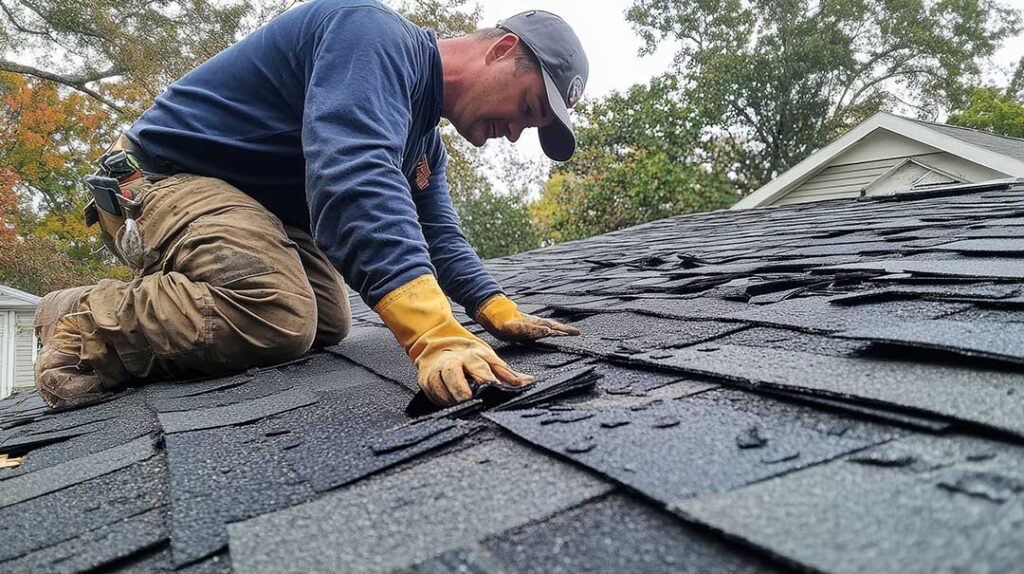
What Factors Affect How Long a Roof Lasts in Delhi, NY?
Roofs in Delhi, NY generally face a unique mix of weather: snowy winters, rainy springs, humid summers, and the occasional windstorm. Materials, installation quality, ongoing maintenance, sun exposure, and how well a roof is ventilated all play roles in longevity. The typical local roof lasts 15–30 years for asphalt shingles, while metal or slate may last longer if cared for properly.
Seasonal changes can cause expansion, contraction, and ice-related stress. Moss buildup, clogged gutters, and hidden leaks are also common, especially for homes surrounded by trees or experiencing prolonged dampness.
How Does Regular Cleaning Keep a Roof in Good Shape?
Routine cleaning removes debris, moss, and algae, all of which can trap moisture and speed up deterioration. Even a thin layer of leaves or pine needles left after autumn can hold water against shingles, which may lead to softening, rot, or lifting.
- Keep an eye out for moss and algae, especially on shaded and north-facing sections, as they tend to stay damp longer.
- Use a soft brush or leaf blower to gently remove debris a few times a year, or after major storms.
- Never use a high-pressure washer, as it can dislodge shingles or protective granules.
For persistent moss or discoloration, a gentle cleaning solution suitable for roofing materials can be helpful—but always avoid chlorine bleach, which may harm nearby plants and speed up shingle aging.
Why Is Gutter Maintenance So Important?
Clear gutters and downspouts keep water flowing away from a roof and foundation. When gutters clog, water can back up under shingles, freeze into damaging ice dams, or spill over and saturate siding.
- Check gutters at least twice per year—after leaf fall and before spring rains.
- Ensure downspouts direct water several feet away from the home’s base.
- Watch for signs of gutter sagging or separation, which can cause overflow.
In older or wooded areas of the city, gutter guards or fine mesh screens may reduce buildup, but they also require periodic checking for trapped debris.
What Can Homeowners Do About Roof Ventilation and Insulation?
Adequate attic ventilation reduces heat and moisture buildup—both of which accelerate aging and can lead to problems like ice dams and mold.
- Make sure attic vents aren’t blocked by insulation, nests, or debris.
- In homes with older roofs, look for signs of condensation in the attic, such as damp rafters or musty odors.
Proper insulation also helps, by keeping heat from escaping into the attic and warming the underside of the roof in winter. In the colder seasons, this reduces the risk of uneven snow melt, which can otherwise create ice damming at the eaves.
When Should Residents Inspect Their Roofs for Damage?
Seasonal roof checks—ideally in spring and autumn—can catch small issues before they grow. After heavy snowfalls, windstorms, or hail, an extra look is a good idea.
Key things to check:
- Shingles: Look for curling, cracked, missing, or worn-out areas.
- Flashing: Make sure metal strips around chimneys, vents, and skylights are secure and intact.
- Sealants: Check for dried, cracked, or missing caulk around roof penetrations.
- Attic: Inspect for daylight showing through boards or damp spots after rain.
Many issues are visible from the ground with binoculars. Only get on a roof if you feel safe and stable doing so on moderate slopes—otherwise, use visual checks and attic observations.
How Can Small Repairs and Quick Action Prevent Bigger Problems?
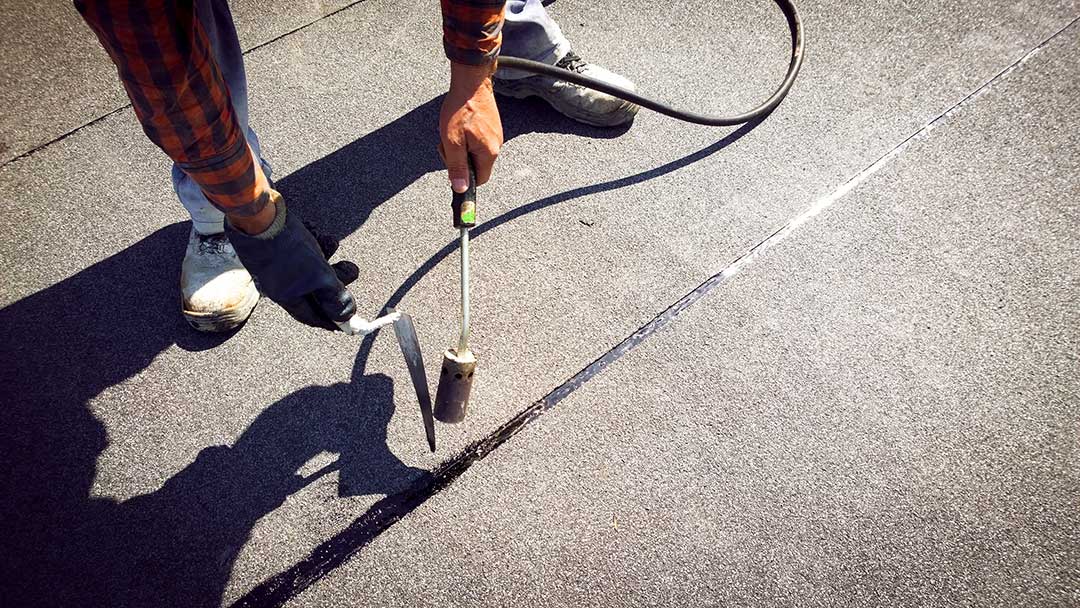
Addressing issues promptly keeps moisture from getting underneath the roofing material and causing rot, mold, or leaks.
Some simple actions residents can manage themselves:
- Replacing a few missing or damaged shingles.
- Resealing exposed nail heads or minor flashing gaps with roof-appropriate sealant.
- Removing branches or debris that land on the roof, especially after storms.
If you notice widespread sagging, large areas of missing shingles, or leaks into living spaces, the issue might be structural and could require professional help for safety reasons.
Are There Preventable Mistakes That Cut Roof Lifespan Short?
Several common habits can reduce a roof’s usable life:
- Letting leaves, needles, or branches pile up for long stretches.
- Walking on the roof more than necessary, especially in hot or cold weather.
- Hanging holiday decorations with nails or screws instead of proper clips.
- Ignoring signs of leaks until they’re causing apparent interior damage.
In newer developments or areas with many mature trees, be extra cautious about branches overhanging roofs. Regular trimming keeps debris to a minimum and reduces potential for storm breakage.
How Do Delhi Weather Patterns Influence Roof Longevity?
Local weather shapes which issues are most relevant. Winters often bring heavy, wet snow, which can tax both shingle and metal roofs; keeping snow loads manageable on low slopes reduces risk. Spring and summer thunderstorms may cause wind-lifted shingles, while humidity can encourage moss and algae late in the growing season.
Prolonged leaf cover in shaded or north-facing yards allows moss and algae to thrive, so those locations may need more frequent attention. After dust from local roads or pollen-heavy periods, a light rinse can keep things looking tidy and functional.
What Materials and Upgrades Might Help, But Aren’t Always Needed?
Some roof materials, such as metal or high-performance asphalt, generally last longer but are only beneficial if properly installed and maintained. Upgrade options like ice-and-water shield underlayment or ridge vent systems can make sense for homes in the city where ice dams and ventilation are persistent issues. However, timely care and inspection often provide more day-to-day benefit than changing materials unless a roof is nearing the end of its lifespan.
Choosing the best practices for local roofs involves balancing regular observation, preventive care, and timely minor fixes as needed to ensure maximum longevity.
