
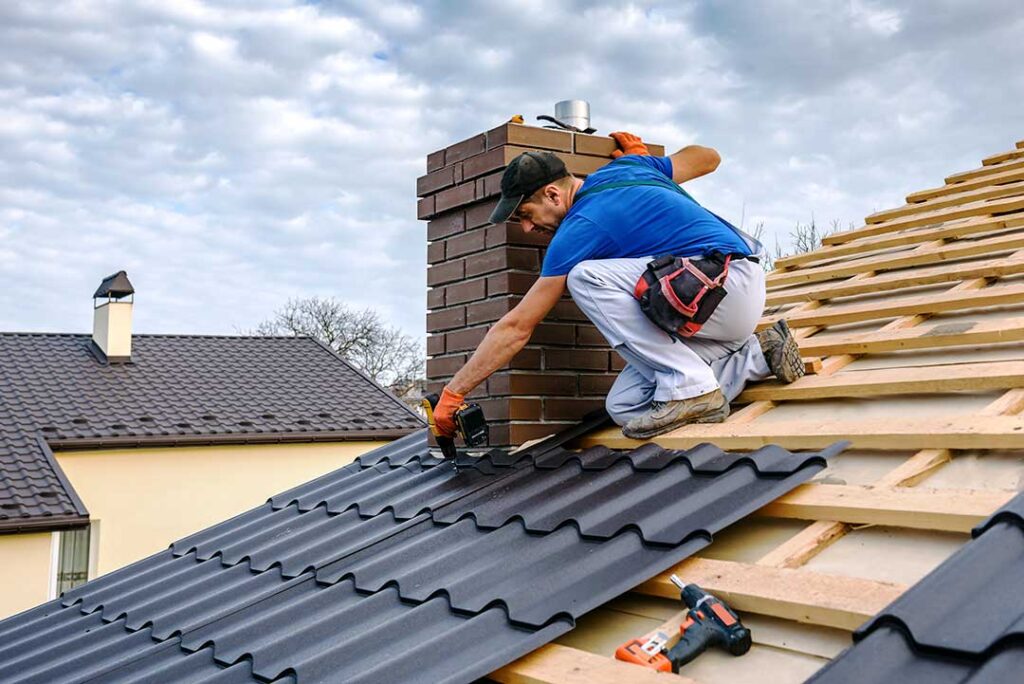
A roof does more than shed rain and snow. It also forms part of a ventilation system that helps control heat, moisture, and air movement above the living space. In Delhi, NY, where homes experience humid summers, cold winters, snow, ice, and frequent seasonal temperature changes, proper ventilation can affect roof durability, indoor comfort, and energy use.
What does roof ventilation actually do?
Roof ventilation allows air to move through the attic or roof assembly in a controlled way. Fresh outdoor air typically enters through lower intake vents, while warmer or moisture-laden air leaves through higher exhaust vents.
This air movement helps:
- Reduce excessive heat buildup beneath the roof covering
- Limit condensation on roof framing and fasteners
- Dry minor moisture that enters the attic through normal household activities
- Reduce the chance of mold, wood decay, and insulation damage
- Help maintain more consistent attic conditions throughout the year
Ventilation is not intended to replace roof flashing, underlayment, insulation, or weatherproof construction. A properly ventilated roof still needs to keep rain, melting snow, and wind-driven moisture outside.
Why is ventilation especially relevant in Delhi?
Homes in the area must handle wide changes in outdoor conditions. A roof may be exposed to strong summer sun, humid air, freezing temperatures, snow accumulation, and repeated freeze-thaw cycles during transitional seasons.
These changes can affect the attic in several ways. During summer, heat can build up beneath the roof deck. During winter, warm indoor air may reach the attic and condense on colder surfaces. If moisture remains trapped, it can damage wood components and encourage biological growth.
Snow and ice also make attic conditions more significant. A poorly balanced roof can contribute to uneven roof temperatures, which may increase the potential for melting and refreezing near colder eaves. Ventilation alone does not cause or eliminate every ice-dam problem, but a well-designed roof system can help keep roof temperatures more uniform.
How does poor ventilation damage a roof?
Poor ventilation can create problems gradually, so damage may not be visible from the ground. The roof covering may appear acceptable while the attic develops moisture or heat-related issues.
Common effects include:
Excessive summer heat
An attic that cannot release hot air may reach temperatures far above outdoor conditions. This heat can raise the temperature of the roof deck and may increase stress on roofing materials over time.
It can also make the upper floor feel warmer, particularly when insulation is thin, compressed, displaced, or missing. In that situation, residents may use more air conditioning or fans without addressing the underlying attic conditions.
Winter condensation
Warm air from the living space naturally contains moisture. If it reaches a cold attic surface, water vapor can condense into liquid water or frost. Sources may include:
- Bathroom and kitchen exhaust fans that terminate in the attic
- Gaps around plumbing, electrical fixtures, or attic hatches
- Recessed lights or other ceiling penetrations
- An unsealed whole-house fan opening
- Air leaks around ductwork and framing joints
Repeated condensation can stain the roof sheathing, rust nails, wet insulation, and weaken wood.
Roof deck deterioration
Persistent moisture may lead to dark staining, surface mold, fungal decay, or soft sections of roof sheathing. Fasteners can corrode, and insulation may lose effectiveness when it becomes damp or settles out of position.
These problems are not always caused by ventilation alone. Roof leaks, plumbing leaks, and air-sealing defects must also be considered.
What is the difference between intake and exhaust ventilation?
A functional system needs both intake and exhaust. Exhaust vents by themselves may not provide dependable airflow if replacement air cannot enter.
Intake ventilation is commonly located near the lower edge of the roof, often at the soffits or eaves. Exhaust ventilation is positioned higher, such as near the ridge or upper roof area. The height difference supports the natural movement of warmer air upward.
The exact arrangement depends on the roof design. Gable vents, ridge vents, soffit vents, off-ridge vents, and other systems can be appropriate in different circumstances. The key issue is not simply how many vents are visible, but whether air can travel through the intended ventilation path.
Can too much ventilation be a problem?
More openings do not automatically produce better ventilation. A system can perform poorly when intake and exhaust openings are unbalanced, blocked, or placed in ways that create short-circuiting.
For example, an exhaust vent located close to an intake opening may draw air from the easiest nearby path instead of moving air through the full attic. Likewise, adding an exhaust vent while soffit vents are blocked by insulation may provide little benefit.
Ventilation can also become a concern if it is used to compensate for major air leaks from the living space. Cold outdoor air entering through uncontrolled gaps can increase drafts and moisture movement rather than solving the problem.
A sound roof assembly coordinates ventilation with insulation and air sealing.
What should homeowners look for in the attic?
A basic attic inspection can reveal warning signs, provided the area is safely accessible. Look for:
- Frost or water droplets on the underside of the roof deck during cold weather
- Dark stains around nails, roof sheathing, or framing
- Musty odors or visible mold-like growth
- Wet, compressed, or displaced insulation
- Blocked soffit vents
- Bathroom or kitchen exhaust ducts ending inside the attic
- Daylight or gaps around attic hatches and ceiling penetrations
- Rusted fasteners or deteriorating wood
A small amount of frost can occur during unusually cold conditions, but recurring frost or visible moisture deserves attention. Attics may contain exposed nails, unstable surfaces, electrical hazards, and limited oxygen, so entering one is not appropriate for everyone.
Does insulation replace the need for ventilation?
No. Insulation and ventilation perform different jobs.
Insulation slows heat transfer between the living space and the attic. Air sealing limits uncontrolled movement of indoor air and moisture. Ventilation helps move air through the attic or roof cavity.
For insulation to work properly near the eaves, it must not block the intended intake openings. Baffles or channels may be used in some roof designs to preserve an open path above the insulation, but their suitability depends on the existing construction.
Adding insulation without addressing air leaks can trap moisture in unexpected places. Adding vents without correcting blocked intake paths may leave the roof system unbalanced.
How can roof ventilation be improved safely?
The correct improvement depends on the roof shape, attic design, existing vents, insulation depth, and signs of moisture. Useful steps may include:
- Confirming that bathroom and kitchen exhaust ducts discharge outdoors
- Keeping soffit intake paths clear
- Sealing major air leaks between the house and attic
- Checking whether insulation is wet or obstructing ventilation channels
- Looking for roof leaks before assuming ventilation is the only cause
- Maintaining clear access around vents and avoiding storage that blocks airflow
Any work involving steep roofs, electrical wiring, structural damage, or confined attic conditions presents safety risks. Building requirements may also apply when roof or attic components are altered, especially during remodeling.
Proper ventilation is not a single product or a guaranteed cure for every roofing problem. It is part of a complete roof system that must manage water, air, heat, and moisture together. For local homes exposed to snowy winters and humid summers, that balance can help preserve the roof structure and keep attic problems from becoming expensive hidden damage.
