
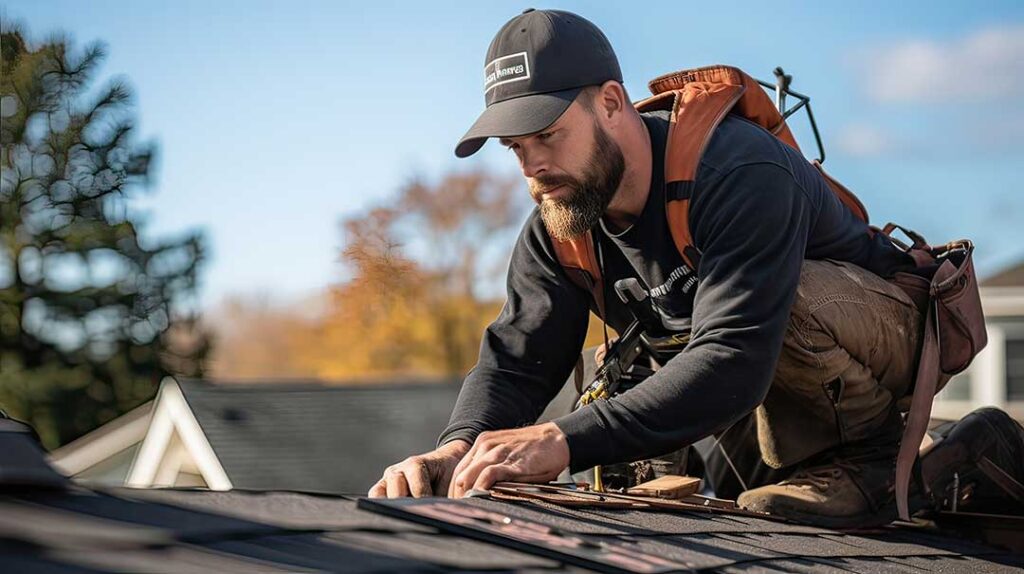
A professional roof inspection in Delhi, NY is a careful review of the roof system, attic, drainage areas, and visible signs of water entry. It is not limited to spotting missing shingles. The goal is to determine how the roof is performing, identify developing problems, and explain which conditions need attention now versus later.
What happens before the inspection begins?
The inspection usually starts with a discussion about the home’s history and any concerns noticed by the occupants. Useful information may include:
- The approximate age of the roof
- Recent leaks, stains, drafts, or ice dams
- Storms involving strong wind, hail, or heavy snowfall
- Previous repairs or partial replacements
- Remodeling work near chimneys, skylights, or roof penetrations
- Changes in attic temperature, moisture, or ventilation
An inspector may also ask whether water appears during specific weather conditions. A leak that occurs only during wind-driven rain may point to a different problem than moisture that appears after snow melts.
Clear access to the attic, roof edges, and interior ceilings makes the inspection more complete. Personal belongings do not usually need to be removed from the entire attic, but stored items may need to be moved away from areas beneath roof slopes, valleys, chimneys, and plumbing vents.
Does the inspector walk on the roof?
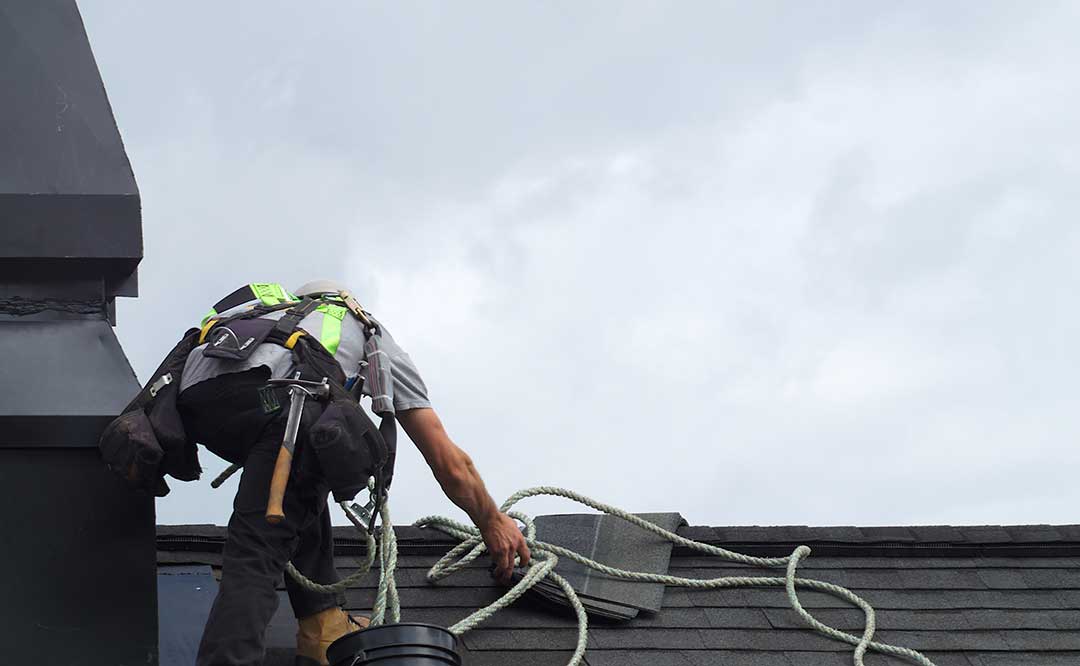
Sometimes, but not always. A roof may be examined by walking on it, from a ladder, from the ground, or with binoculars and other tools. The method depends on roof pitch, surface condition, weather, height, and safety.
Walking on some roofing materials can cause damage or create a fall risk. Older shingles may be brittle, icy, wet, or loose. A steep roof, covered porch, fragile slate surface, or roof with heavy snow may be inspected without direct foot access.
A professional inspection should explain how the roof was observed. A report based only on a distant view may be less detailed than one that includes close examination of accessible roof areas, attic surfaces, flashing, and drainage components.
What exterior roof components are examined?
The exterior review typically covers the roofing material and the places where water changes direction or passes through the roof. These areas often produce problems before the main roof field appears seriously worn.
The inspector may look for:
- Missing, cracked, curled, blistered, or loose shingles
- Exposed fasteners or lifted shingle edges
- Granule loss in gutters and at ground-level downspouts
- Damaged or deteriorated metal roofing panels
- Soft areas, depressions, or visible sagging
- Worn valley materials
- Loose or corroded flashing
- Gaps around chimneys, plumbing vents, skylights, and wall intersections
- Damaged drip edges, soffits, or fascia
- Debris collecting against roof surfaces or in drainage paths
Flashing deserves particular attention because it protects joints and transitions. A roof can still have serviceable shingles while water enters around a chimney, sidewall, plumbing vent, or skylight.
In homes exposed to winter snow and repeated freezing and thawing, inspectors also look for evidence of ice damming. Staining near eaves, damaged shingles, distorted gutters, and damp attic insulation may indicate that melting snow has been backing up beneath the roof covering.
Why is the attic part of a roof inspection?
The attic can reveal problems that are not visible from outside. It provides clues about ventilation, insulation, roof movement, and past leaks.
An inspector may examine the underside of the roof sheathing for:
- Water stains or darkened wood
- Mold-like growth associated with excess moisture
- Rust around fasteners
- Damp insulation
- Daylight showing through unintended openings
- Condensation on nails or roof decking
- Cracked or weakened structural members
- Blocked soffit vents
- Inadequate or poorly distributed insulation
A roof leak does not always leave a stain directly beneath the point where water entered. Water can travel along rafters, sheathing, insulation, or framing before appearing on a ceiling. This is why an attic review can be useful even when the visible interior damage seems small.
Ventilation is also separate from insulation. A well-insulated attic can still have moisture problems if air movement is blocked or if warm indoor air is leaking through ceiling penetrations.
What interior signs may be checked?
The inspection may include ceilings, upper-floor walls, and areas around skylights, chimneys, and attic access openings. Common warning signs include yellow or brown discoloration, peeling paint, soft drywall, musty odors, bubbling finishes, and recurring dampness.
Interior evidence helps connect a symptom to a likely source, but it may not identify the exact entry point by itself. Water stains can remain long after a leak has stopped, and a dry ceiling does not prove that the roof is watertight under every condition.
If there has been a recent leak, photographs taken during or soon after the event can help. Notes about the weather, wind direction, and location of dripping water may also provide useful clues.
What does the final report usually include?
A useful inspection report distinguishes between observed conditions, possible causes, and recommended next steps. It should describe the roofing material, visible age-related wear, areas that were inaccessible, and signs of active or previous moisture.
Photos are especially helpful when they show the condition of flashing, valleys, roof edges, attic sheathing, or interior stains. The report may classify findings by urgency, such as:
- Immediate concern: Active leaking, major structural movement, exposed decking, or unsafe roof conditions
- Repair soon: Failed flashing, localized damage, blocked drainage, or areas likely to allow water entry
- Routine maintenance: Debris removal, minor sealant deterioration, or early surface wear
- Monitoring: Conditions that are not yet causing damage but may worsen over time
An inspection does not normally include destructive testing unless that work is specifically authorized. The inspector generally observes accessible conditions rather than removing shingles, cutting into walls, or opening sealed roof assemblies.
Does an inspection determine whether the roof must be replaced?
Not necessarily. A roof inspection should not automatically lead to a replacement recommendation. Many roofs have isolated problems that can be repaired, while others have widespread deterioration that makes continued patching unreliable.
The decision depends on several factors:
- The extent and location of damage
- The age and remaining service life of the roofing material
- Whether leaks are active or recurring
- The condition of the roof deck and flashing
- Evidence of poor ventilation or moisture buildup
- The number of previous repairs
- The roof’s response to local snow, ice, wind, and rain exposure
A roof may look weathered but remain functional, while a newer roof may have serious flashing or installation defects. Surface appearance alone is not a dependable measure of performance.
When is an inspection especially useful?
An inspection is particularly useful after a major storm, repeated ice damming, an unexplained ceiling stain, or the discovery of damaged shingles in the yard. It can also help before buying or selling a home, after interior remodeling, or when a roof is approaching the age at which maintenance decisions become more significant.
For area households, seasonal timing matters. Late winter and early spring can reveal problems related to snow loads, ice dams, and freeze-thaw movement. Summer inspections may make it easier to identify heat-related deterioration, ventilation concerns, and storm damage. Inspections should be postponed when roof surfaces are icy, covered by unsafe snow, or exposed to severe weather.
The most useful result is a clear record of the roof’s current condition, limitations of the inspection, and practical priorities for protecting the home from water and structural damage.
