
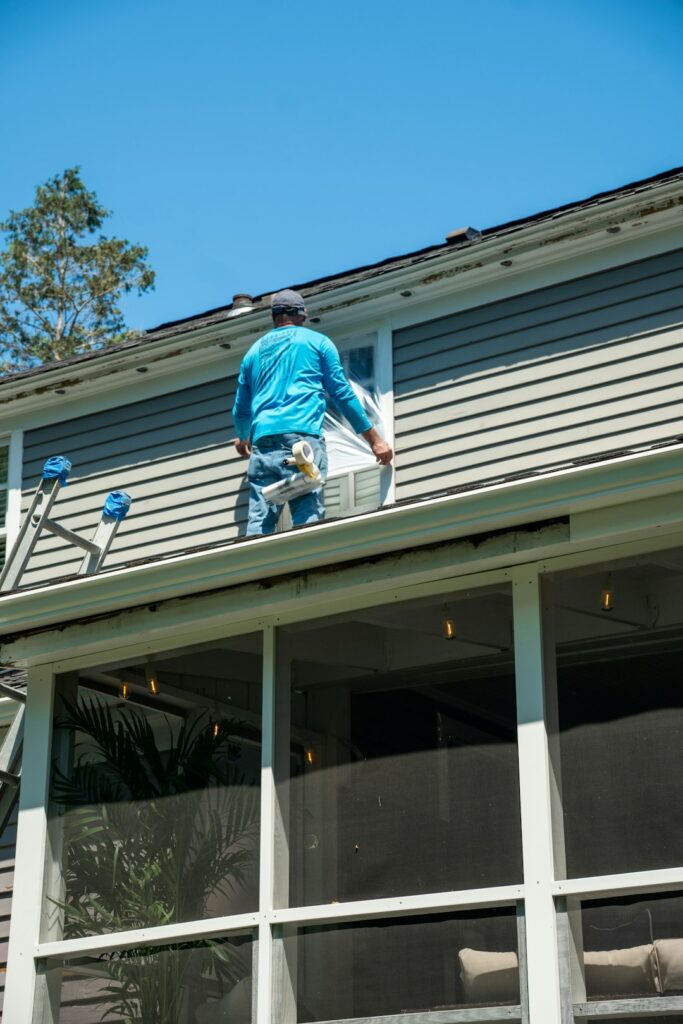
Hurricane season runs from June 1 through November 30, but roof preparation should begin well before the first storm forecast. In Delhi, NY, tropical systems may arrive after traveling inland, bringing heavy rain, strong wind gusts, fallen branches, and repeated wetting that can expose weaknesses in an aging roof.
A sound preparation plan focuses on four areas: roof coverings, drainage, nearby trees and objects, and what can be checked safely from inside the home.
What roof problems should be found before hurricane season?
Small defects can become entry points for wind-driven rain. Before storm season, look for missing or damaged shingles, loose metal flashing, exposed fasteners, cracked sealant, lifted roof edges, and signs that water has been entering the attic.
From the ground, use binoculars if available. Look for:
- Shingles that are curled, cracked, loose, or noticeably darker than surrounding areas
- Metal flashing around chimneys, plumbing vents, skylights, and roof-to-wall connections that appears bent or separated
- Sagging areas along the roofline
- Damaged soffits, fascia boards, or gutter sections
- Granules collecting heavily in gutters or at the ends of downspouts
- Moss or organic growth that may be holding moisture against roofing materials
Do not walk on a roof that is wet, steep, deteriorated, or difficult to access. A roof can look stable from the ground while still having weak decking or concealed damage.
Why do gutters and downspouts matter during a tropical storm?
Clear gutters and downspouts help move intense rainfall away from the roof, walls, foundation, and walkways. A blocked drainage system can cause water to back up under roof edges or overflow against siding and foundation walls.
Remove leaves, pine needles, small branches, and compacted sediment. Check that gutters are firmly attached and that downspouts discharge far enough away from the foundation to prevent pooling. Extensions should remain connected and should not empty directly beside basement walls.
Also inspect roof valleys, where two roof slopes meet. Valleys collect large amounts of runoff and can become blocked by leaves or debris. If a valley has damaged shingles, exposed underlayment, or standing water after rainfall, it deserves attention before the next major storm.
Should trees near the house be trimmed?
Yes. In rural and wooded areas, branches are among the most common sources of roof damage during high-wind events. A dead limb can fall onto shingles, gutters, skylights, or power lines even when the roof itself is in good condition.
Look for trees with:
- Dead or hanging branches
- Split trunks or major limbs
- Decay near the base
- Branches rubbing against the roof
- Limbs extending directly over the house, shed, or driveway
Tree work near power lines, large limbs, or structures is hazardous. It should not be attempted from a ladder or during windy weather. Removing loose branches before storm season is safer than waiting until the ground is saturated and winds are increasing.
What should be secured around the roof?
Wind does not need to damage the roof directly to create a roof-related problem. Outdoor objects can strike shingles, vents, gutters, windows, and siding.
Before a storm threatens the area, secure or store:
- Patio furniture and umbrellas
- Grills and lightweight yard equipment
- Trash and recycling containers
- Planters, decorations, and hanging baskets
- Children’s play equipment
- Loose lumber, tools, and construction materials
- Portable sheds or other small structures, if they are not firmly anchored
Branches and outdoor objects can become airborne debris. Keeping the area around the home clear reduces the chance of impact damage.
How can the attic reveal roof damage?
The attic is often the safest place to look for evidence of roof problems, provided the floor is stable and access is safe. Use a flashlight and inspect the underside of the roof decking, rafters, insulation, and areas around vents.
Warning signs include:
- Water stains or darkened wood
- Damp insulation
- Daylight visible through the roof deck
- Musty odors or mold-like growth
- Rusted nails or metal connectors
- Wet areas beneath valleys, chimneys, or plumbing vents

Check after heavy rain as well as during dry weather. Some leaks appear only when wind pushes rain sideways beneath flashing or through damaged roof edges.
Do not block, cover, or alter attic ventilation without understanding how the system works. Soffit, ridge, gable, and other vents help manage heat and moisture, but damaged or poorly secured vents can also allow wind-driven rain into the attic. Repairs should preserve proper airflow and follow applicable building requirements.
Is an older roof automatically unsafe?
No. Age alone does not determine whether a roof will withstand a storm. A well-maintained roof may perform better than a newer roof with loose flashing, poor drainage, or installation defects.
However, older roofing materials have usually experienced more cycles of freezing, thawing, wind, snow, and summer heat. In Delhi, those seasonal changes can loosen fasteners, dry out sealants, and expose weaknesses around roof penetrations.
If a roof is near the end of its expected service life, preparation should include a more careful inspection of the roof covering, flashing, ventilation, and sheathing. Emergency repairs during a storm are more difficult, and temporary patches may not hold under continued rain and wind.
What should be done when a storm watch or warning is issued?
Complete exterior work before winds become strong. Once conditions deteriorate, climbing ladders, moving materials, or working near trees becomes dangerous.
Before the storm arrives:
- Recheck gutters and downspouts for fresh debris
- Move loose objects indoors or secure them firmly
- Close and secure attic windows, access panels, and exterior doors
- Photograph the roof and exterior for household records
- Place tarps, buckets, and basic cleanup supplies where they can be reached safely
- Keep flashlights, batteries, and weather alerts available
- Avoid making last-minute roof repairs during rain or high wind
Do not place heavy objects on shingles or use improvised coverings that can tear loose and become debris. If water begins entering the home, place containers under drips only where it is safe, move valuables away from the area, and avoid electrical fixtures near moisture.
What should be checked after the storm?
Wait until wind, lightning, and falling branches are no longer a threat. Inspect from the ground first. Look for missing shingles, displaced flashing, damaged vents, sagging gutters, fallen limbs, and new ceiling or attic stains.
Never climb onto a roof to inspect storm damage if the surface is wet, unstable, or visibly compromised. Stay away from downed power lines and damaged trees. If water is near electrical wiring, shut off power only if it can be done safely.
Document damage with photographs and written notes. Roof leaks can continue after the weather clears, especially when insulation or roof decking has absorbed water. Promptly containing the source and drying affected materials can help limit structural damage and mold growth.
Preparing a roof for hurricane season is less about adding emergency materials and more about identifying weak points early: loose roof coverings, blocked drainage, aging flashing, vulnerable trees, and unsecured outdoor objects. Those checks are especially useful for homes exposed to heavy rain, wooded lots, older construction, and changing seasonal conditions.
